06 November 2026
Jamaican Food for Special Occasions and Everyday Meals
Presented by @holdenmeri633
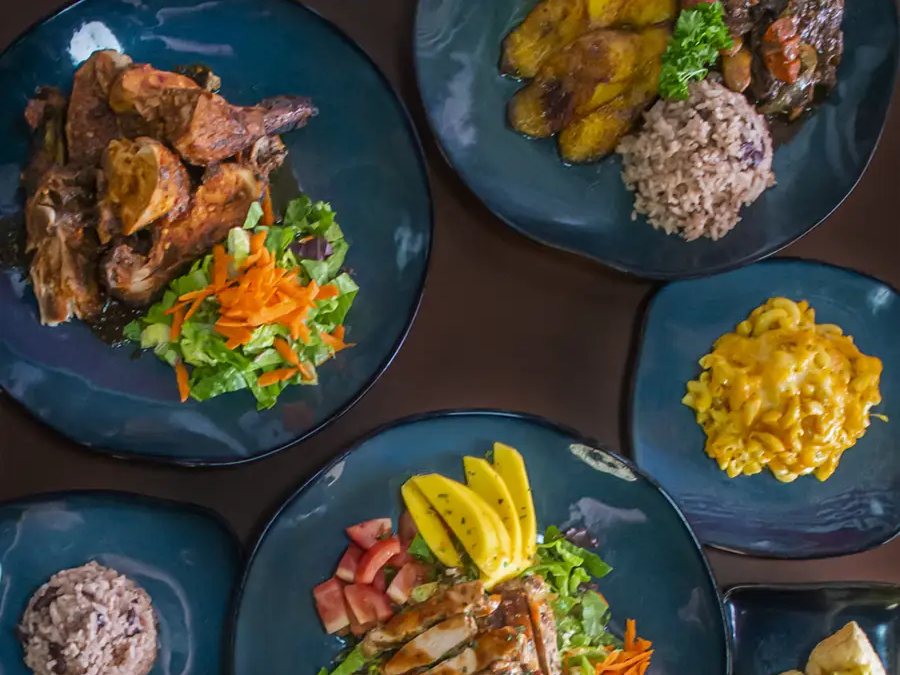
Jamaican food carries a rare balance of comfort and spectacle. It can fill a lunch box with something sturdy and satisfying, then turn around and anchor a wedding buffet, a Sunday gathering, or a holiday table with the same confidence. That range is part of what makes the cuisine so memorable. It is grounded in daily habits, practical cooking methods, and ingredients that reward patience, but it also knows how to celebrate. A pot of rice and peas, a tray of fried plantain, a carefully seasoned brown stew chicken, or a whole fish prepared for a family event all speak the same language: flavor first, generosity always.
What sets Jamaican cooking apart is not just heat or spice, though people often reduce it to that. The real signature lies in layering. Scotch bonnet brings fire, yes, but also fruitiness. Thyme does more than perfume a dish, it steadies it. Scallion, garlic, pimento, ginger, onions, allspice, and browning do quiet but essential work. Even simple meals taste complete because the seasoning is not an afterthought. It is built in from the start.
That matters whether the food is headed to a weekday dinner table or a major family function. The same culinary logic runs through both. Everyday meals lean on economy, timing, and familiar combinations. Special occasion dishes lean on abundance, presentation, and tradition. The bridge between the two is technique. Once you understand how Jamaican kitchens season, braise, fry, roast, and simmer, the whole cuisine starts to feel cohesive.
The backbone of Jamaican cooking
Many cuisines have a pantry that quietly explains everything. In Jamaican food, that pantry is direct and deeply expressive. Fresh thyme, scallion, onion, garlic, ginger, scotch bonnet, pimento, and black pepper are common building blocks. Coconut milk appears often, especially in rice and peas. Browning gives stews and gravies their dark, rich character. Saltfish, dried spices, and preserved ingredients connect today’s meals to older ways of cooking with what was available and what would last.
Seasoning is where judgment shows. A rushed marinade tastes flat. A thoughtful one gives chicken, goat, fish, or pork an interior flavor that survives long cooking. In many Jamaican homes, seasoning meat the night before is not a dramatic culinary ritual, it is simply good sense. The difference between thirty minutes and overnight can be obvious at the table. Goat, for instance, benefits enormously from time. Chicken is more forgiving, but it still improves when the seasoning has had a chance to settle in.
Texture also matters more than people expect. Plantain can be fried until lightly golden and tender, or pushed further until the edges caramelize and deepen. Festival should be crisp outside and soft inside, not dense. Properly cooked rice and peas should hold together without turning sticky or mushy. These details are part of the cuisine’s identity. Jamaican food is hearty, but it is not careless.
Everyday meals that define the table
Ask people what they actually eat regularly, and the answer is rarely the most elaborate dish in the repertoire. Daily Jamaican meals are practical and deeply satisfying. They often revolve around one well-seasoned protein, one starch, and one or two vegetable components. The result is balanced without being fussy.
Brown stew chicken is one of the best examples. It appears often because it makes sense on every level. Chicken is accessible, the seasoning is familiar, and the cooking method produces a rich sauce that stretches across rice beautifully. A well-made brown stew chicken has depth from caramelized sugar or browning, warmth from thyme and black pepper, sweetness from onions and bell peppers, and just enough heat from scotch bonnet to wake everything up without dominating.
Stew peas is another everyday classic, though “peas” here usually means red kidney beans. This is a pot meal in the best sense, substantial enough to stand on its own. With salted meat or pigtail, dumplings, and sometimes spinners, stew peas sits at the intersection of thrift and comfort. It is not flashy food, but it leaves a strong impression because it is built to sustain. That is true of many Jamaican staples. They developed in kitchens where food needed to be filling, flavorful, and sensible.
Ackee and saltfish occupies a different space. It is strongly associated with breakfast, though plenty of people are happy to eat it later in the day. When done well, it is a study in contrast. The ackee is soft and delicate, almost buttery, while the saltfish brings chew, salinity, and depth. Onion, tomato, scallion, and pepper sharpen the whole dish. Served with boiled green banana, fried dumpling, festival, bammy, or roasted breadfruit, it becomes a complete meal with multiple textures and enough richness to carry the day.
Jamaican patties deserve mention here because they straddle the line between snack and meal. Their appeal comes from efficiency and flavor. The crust should be flaky and sturdy enough to hold the filling without crumbling apart at the first bite. The filling, often beef but also chicken, vegetable, or saltfish, needs to be moist and properly seasoned. A patty with coco bread is a working lunch, a school lunch, a road trip meal, and a comfort food all at once.
When the meal becomes the occasion
Special occasions call for more than extra quantity. They call for dishes with presence. In Jamaican cooking, that often means foods that take time, require a larger budget, or carry cultural weight.
Curried goat is one of the clearest examples. It rarely feels casual, partly because goat is expensive in many places and partly because the dish rewards slow cooking. Good curried goat should be tender without collapsing into stringy mush. The gravy should be thick enough to cling to rice, aromatic with curry, garlic, thyme, and scallion, and rounded out by the unmistakable lift of scotch bonnet. At weddings, christenings, birthdays, and major Sunday gatherings, curried goat often signals that real care has gone into the food.
Oxtail plays a similar role. It is deeply beloved, often expensive, and almost impossible to rush. Proper oxtail needs time for the connective tissue to soften and enrich the gravy. Butter beans are not decorative, they are part of the dish’s identity, adding creaminess that offsets the intensity of the meat. When someone serves excellent oxtail, guests notice. It has become one of the most sought-after Jamaican dishes internationally for good reason.
Escovitch fish belongs on celebratory tables as well, especially where seafood is central to the meal. The appeal is immediate and dramatic. A whole fried fish topped with pickled vegetables, often carrot, onion, and Scotch bonnet, has visual impact before anyone even takes a bite. The acid in the escovitch dressing cuts through the richness of the fried fish, making the dish feel vivid rather than heavy. It works especially well in warm weather gatherings where people want food with energy and brightness.
Then there is jerk, perhaps the best-known ambassador of Jamaican food. Authentic jerk is not merely spicy grilled meat. It is a method, a seasoning philosophy, and in its traditional form, a style of smoking that creates layers of heat, sweetness, and earthiness. Jerk pork and jerk chicken can appear at ordinary cookouts, but they become special when prepared in quantity for a crowd, ideally over pimento wood if available. The smell alone can shape the mood of an event.
The role of rice, ground provisions, and side dishes
No serious discussion of Jamaican food can treat side dishes as secondary. In practice, they organize the meal. Rice and peas is the most famous companion, but it is also more than that. It carries coconut, thyme, scallion, and often a subtle allspice note, which means it participates in the flavor profile rather than just filling space on the plate.
White rice has its own importance, especially with heavily sauced dishes such as curried goat, oxtail, or brown stew. It provides relief and structure. Not every plate wants the richness of coconut milk. That is part of good meal planning, knowing when to keep one element simple so the others can speak clearly.
Ground provisions, the broad Caribbean term for starchy staples such as yam, green banana, boiled dumpling, coco, and cassava, tell a fuller story about how Jamaican meals function. These foods are sustaining, less showy than rice, and often paired with breakfast or Saturday soup. Breadfruit belongs in this conversation too. Roasted breadfruit with ackee and saltfish can feel modest or luxurious depending on the context, which is exactly the point. Jamaican cooking does not always divide sharply between humble and festive. A familiar ingredient can become a centerpiece with the right handling.
Fried plantain deserves special respect. It is one of the simplest additions to a plate, yet it can make a meal feel complete. The best pieces are ripe enough to caramelize but still firm enough to hold shape. Underripe plantain tastes starchy and blunt. Overripe plantain can fall apart in the pan. This is one of those small kitchen judgments that experienced cooks make almost instinctively.
Dishes that carry memory
Food for special occasions is rarely just about the menu. It carries memory, status, and ritual. In Jamaican households, certain dishes announce not just that people are gathering, but why.
Soup is a strong example. Saturday soup is a habit in many homes, but on holidays or during visits from relatives, it can take on a ceremonial quality. Chicken foot soup, red peas soup, fish tea, and mannish water each occupy their own space. Fish tea, despite the name, is not tea in the conventional sense. It is a clear, restorative fish soup with a sharp, savory personality. Served hot, it wakes up the appetite and sets the stage for a larger meal.
Christmas introduces another layer. Sorrel, fruit cake, gungo peas, and ham often come into play, especially in families that keep long-standing holiday traditions. The point is not that every Jamaican household eats exactly the same foods. They do not. The point is that special meals often act as vessels for continuity. A particular cake recipe, a specific way of seasoning the ham, or the exact balance of ginger and pimento in sorrel can become part of a family’s identity.
This is one reason Jamaican food feels so emotionally resonant. It is not just tasty. It marks time. It tells people where they are in the year, who is visiting, what is being celebrated, and what is expected https://www.google.com/maps?cid=11425353456438405488 at the table.
Why everyday Jamaican meals remain so appealing
Plenty of cuisines reserve their strongest flavors for restaurant dishes or feast-day preparations. Jamaican cooking is different. Even its workday meals tend to be assertive and memorable. That quality helps explain why so many people crave Jamaican food regularly rather than only for occasions.
Part of the appeal is value. A pot of stew, curry, or soup can feed several people well. Rice stretches a dish without diluting it. Beans add body and nutrition. Ground provisions are filling and relatively straightforward. The cuisine evolved with an understanding of limits, which is one reason it remains practical now.
Another part is adaptability. Brown stew chicken can be made for four or forty. Rice and peas can accompany almost any main dish. Jerk seasoning works on pork, chicken, fish, vegetables, and even tofu, though results vary and not every adaptation captures the spirit of the original equally well. This flexibility allows Jamaican home cooks to honor tradition while adjusting to modern budgets, schedules, and dietary choices.
There is also the matter of leftovers. Many Jamaican dishes improve overnight. Curry settles. Stew deepens. Escovitch vegetables continue to pickle. This makes the cuisine particularly well suited to home cooking, where efficiency and flavor often need to coexist.
Common misunderstandings about Jamaican food
One of the most persistent misconceptions is that everything must be fiercely spicy. Heat is certainly present, but good Jamaican cooking is not reckless with it. Scotch bonnet is used for flavor as much as fire. A whole pepper dropped into a simmering pot can perfume a dish without making it unbearable. Chopped or crushed pepper produces a different result. Skilled cooks know the distinction and adjust based on the audience.
Another misunderstanding is that Jamaican food is heavy by default. Some dishes are undeniably rich, especially those with oxtail, coconut milk, or frying involved, but many are surprisingly balanced. Callaloo, steamed fish, vegetable rundown, boiled green banana, and clear fish tea all show a lighter side of the cuisine. Even richer meals often include acidic or fresh elements that keep the plate from feeling one-note.
A third misconception is that authenticity means strict uniformity. In reality, Jamaican cooking varies by parish, family, migration pattern, and economics. One cook’s curry goat may lean darker and hotter, another’s may be brighter with more fresh herbs. Some households put more tomato in a brown stew, others less. Ackee and saltfish can be wetter or drier. These differences are not failures of authenticity. They are evidence of a living cuisine.
Building a Jamaican meal at home without overcomplicating it
People often get intimidated by Jamaican food because the flavors seem bold and highly specific. The truth is that a very good meal does not require ten dishes or restaurant-level equipment. It requires care with seasoning and a sensible pairing of components.
If someone wants to cook Jamaican food at home regularly, it helps to think in combinations. Brown stew chicken with rice and peas and fried plantain is manageable. Steamed fish with bammy and callaloo is manageable. Ackee and saltfish with boiled dumplings and green banana is manageable if the timing is planned. Trouble usually begins when cooks try to produce a full celebration spread on their first attempt.
The ingredients worth taking seriously are the fresh aromatics. Dry substitutes can work in a pinch, but fresh thyme, scallion, onion, garlic, ginger, and pepper do the heavy lifting. The second priority is patience. Let the seasoning sit. Brown the meat properly. Simmer long enough for the gravy to come together. Jamaican food tends to punish shortcuts more than it punishes modest presentation.
A few practical rules go a long way:
- Season meat early, especially goat, pork, and larger cuts of chicken.
- Use scotch bonnet carefully, because its flavor is as important as its heat.
- Let stews and curries reduce enough to develop body.
- Balance rich dishes with something plain or acidic.
- Taste before serving, because salt levels shift as sauces reduce.
Those guidelines sound simple because they are simple, but they reflect the habits that make a meal taste confident rather than approximate.
Restaurant versions versus home-cooked reality
Restaurant Jamaican food often emphasizes the dishes with the biggest reputations: jerk chicken, oxtail, curry goat, patties. That makes sense commercially, but it can flatten public understanding of the cuisine. Home cooking tells a broader story. It includes boiled food, soups, sautéed vegetables, saltfish in many forms, and meals designed around availability rather than spectacle.
That difference matters because special occasion dishes can distort expectations. Someone who only knows Jamaican food through takeout may assume every meal is intensely rich and meat-centered. Spend time around home kitchens and a different picture emerges. You see practical breakfasts, one-pot meals, and simple plates built around starches and vegetables with a modest amount of protein. You also see how often the same cook can move between everyday thrift and feast-day abundance without changing culinary identity.
The best restaurants understand this and reflect it. They may still serve the expected favorites, but they also treat side dishes seriously, make soups with integrity, and avoid the trap of oversweetening or over-salting for quick impact. Good Jamaican food does not need gimmicks. It needs restraint in the right places and confidence in the basics.
What makes the cuisine endure
Jamaican food lasts because it is not just a collection of famous dishes. It is a way of cooking that respects appetite, memory, and occasion. It knows how to feed someone after work and how to welcome a crowd on a milestone day. It can be smoky, slow-cooked, fried, pickled, braised, steamed, or boiled, yet still feel unmistakably itself.
Special occasion dishes get much of the attention, and understandably so. Curried goat, oxtail, escovitch fish, and jerk command the room. But the cuisine would not have its staying power without the daily meals that teach the palate what Jamaican flavor really means. Brown stew chicken on a Tuesday, ackee and saltfish on a Saturday morning, stew peas after a long week, these are the foods that keep the tradition alive between celebrations.
That is the real strength of Jamaican food. It does not separate everyday nourishment from culinary pride. The same kitchen wisdom informs both. A family can sit down to a modest plate and still eat with depth, color, and care. Then, when the occasion calls for something grander, the cuisine is fully capable of rising to meet it.
Reggae Pot Jamaican Grill
2243 S Monaco St Pkwy #104
Denver, CO 80222
+1 720-410-2956
FAQ About jamaican food
What is the best Jamaican food to try in Denver?
The best choice depends on your tastes. Popular options include jerk chicken, curry goat, slow-cooked oxtail, and savory patties. Reggae Pot lists these dishes on its menu, with sides such as rice and peas and plantains. Ask the Denver team about current availability and spice levels.
Is Jamaican food very spicy in Denver?
Heat varies by dish and preparation. Jerk seasoning often includes scotch bonnet peppers alongside herbs and allspice, while other dishes may have gentler seasoning. Ask about the heat of the specific dish and any sauce before ordering.
What are some popular Jamaican snacks?
Jamaican patties are a popular snack made with flaky pastry and savory meat or vegetable fillings. Other options include fried dumplings and festival, a sweet fried dough often served with savory dishes. Availability varies, so check the current menu when ordering.